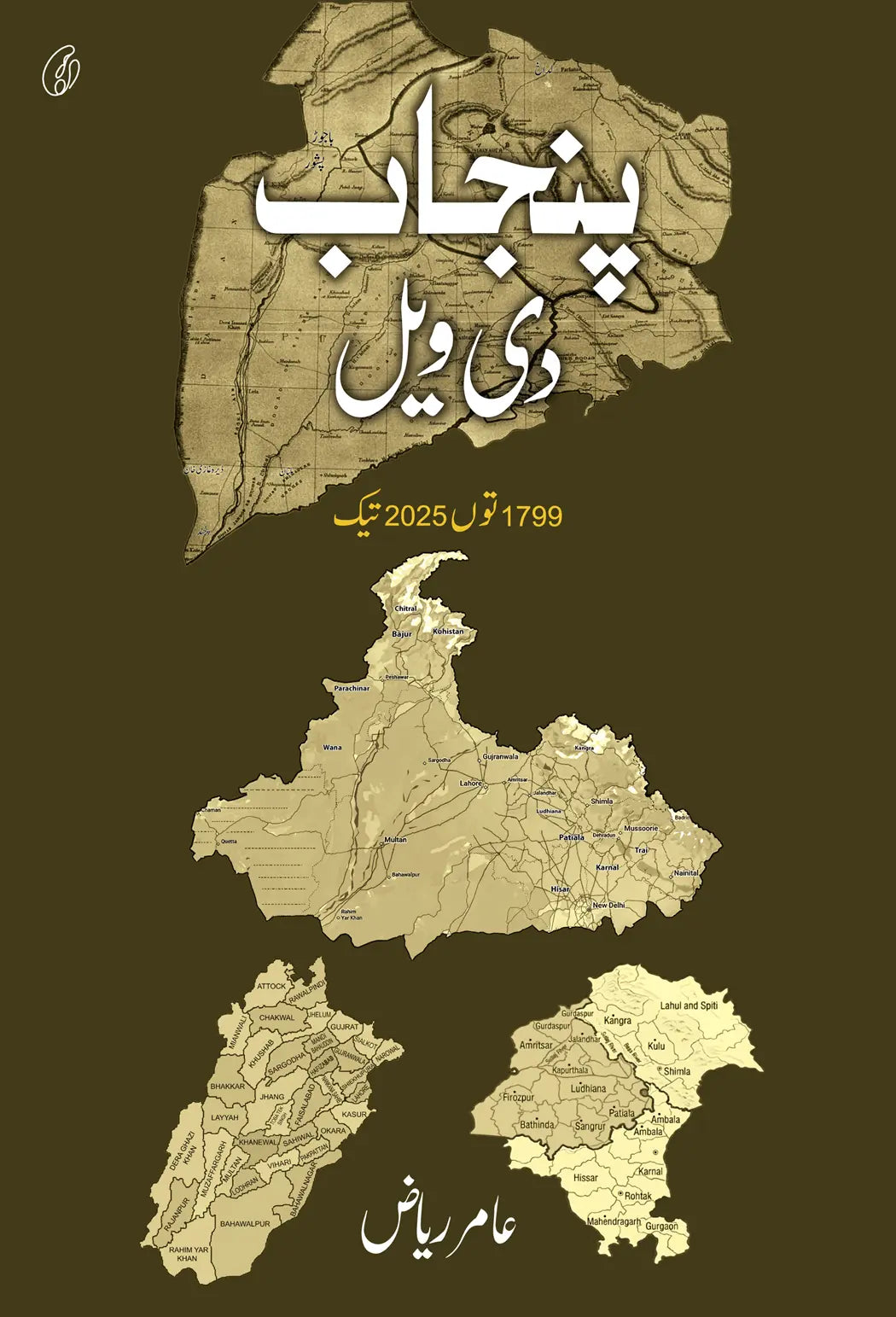
پنجاب دی ویل از عامر ریاض | Punjab di vel by Amir riaz
پنجاب دی ویل از عامر ریاض | Punjab di vel by Amir riaz
Couldn't load pickup availability
Low stock: 7 left
پنجاب دی سیاسی، سماجی تحریکاں، کارویہار، ،وپاررنگارنگی، مزاحمتاں، جوگی صوفی ریت بارے پکے حوالیاں نال لکھی اوہ تریخ جس دا جاننا پنجابیاں ہی نہیں سگوں اوہناں دے آل دوال وسدے سندھیاں، پختوناں، بلوچاں، براہویاں، مہاجراں، بلتیاں اتے کشمیریاں سنے جنوبی ایشیا دے سب وسنیکاں لئی لوڑی دا ہے۔ مڈھ قدیم توں جس دھرتی پنج دریائی دا ذکر ہے اوہ کیہ ہے؟ اوس دا خراسان، بلخ، بخارا، شوالک تے تبت نال مڈھ قدیم توں کیہہ سانگا ہے؟ نکے تبت تے ہندوکش دے پہاڑاں نال جڑے زمینی تجارتی رستے ہوون یا تبتی چین وچ جھیل مان سرووَرتوں انڈس ڈیلٹا تیک پنج شیر دریاواں نال جڑے دریائی تے سمندری تجارتی آبی رستے، ایہہ سب برٹش دور وچ کنج کنج برباد ہوئے؟ دھرتی پنج دریائی نوں وار وار ونڈاں وچوں کیوں لنگھنا پیا؟ کشمیر نوں پنج دریائی دھرتی توں وکھرا کرنا اتے اوسے سال دریاواں نال جڑی پورٹ لہوری بندر بند کردے ہوئے کراچی کول بندرگاہ بناون توں ایہہ کھیڈ شروع ہویا۔ لنگھے78 ورھیاں وچ اسی جنوبی ایشیا سنے پاکستان وچ انگریز ویلے دی سوشل انجینئرنگ دے اثر نوں مکاون لئی کیوں کجھ نہ کیتا؟ لوکائی نوں رعایا یعنی سبجیکٹ دی تھاں وسنیک یعنی سٹیزن سمجھن دی گل کیوں پردھان نہ ہوئی۔متحدہ بنگال لہرتے لکھئنو پیکٹ بعد دھرمچی سیاستاں دی جو پکی نیہاں رکھیاں سن اوس دا سارا ملبہ پنجاب تے بنگال تے کیوں پیا؟1947وچ انڈیا دی نہیں سگوں پنجاب دی ونڈ ہوئی سی اتے لنگھے78سالاں وچ دوپاسے پنجاب تے پنجابی خلاف جو کجھ وی ہویا اوس نال لوکائی وچ پاڑ ودھی۔ہندی تے اُردو دی ونڈ دا شکار وون والیاں 1947بعداک پاسے لسانی رنگارنگی نوں قومی زبان دی آڑ وچ رگیدیا تے دوجے پاسے دوواں پنجاباں وچ پنجابی زبان نوں ٹارگٹ کیتا جس نال لسانی،رہتلی پاڑ ودھی۔ کالونیل مائنڈسیٹ دی چھاپ پاروں ہی ایہہ کھیڈ اج تیک جاری ہے۔ ”پنجاب دی ویل“ وچ ایہناں سوالاں دے جواب لبھن دا آہر کیتا گیا ہے۔ Punjab Di Vel is not only a history of Punjab. It is a history of the region seen through Punjab: through its rivers and trade routes, its movements and ruptures, its languages, resistances, exchanges, and forms of living together. Grounded in rigorous research and a wide range of sources, it traces Punjab’s political and social movements, the many colours of its economic and cultural life, and its yogi-Sufi inheritance. This history is essential for Punjabis, but its relevance extends far beyond them. It also belongs to the Sindhis, Pakhtuns, Baloch, Brahuis, Muhajirs, Baltis, Kashmiris, and to all the peoples of South Asia whose lives have been shaped, directly or indirectly, by this land. At the heart of the book lies a series of questions about geography, memory, power, and loss. What, after all, is this land of five rivers that has been named and remembered since antiquity? How far did its world once extend: toward Khorasan, Balkh and Bukhara; toward the Shivaliks, Tibet, and the Hindu Kush? By what routes did people, goods, languages, beliefs, and stories move across it? How did roads from Little Tibet and mountain passages from the Hindu Kush meet the riverine and maritime routes that flowed from Lake Manasarovar in Tibetan China, through the five great rivers, and down to the Indus Delta? From these older routes and relationships, the book turns to their disruption. What became of this connected world under British rule? How were its continuities weakened, redirected, and dismantled? Which routes were closed, which centres were displaced, and which relationships were made to appear unnatural? The question of disruption leads, in turn, to the question of division. Why has the land of the five rivers been made to pass, again and again, through partition and separation? What did it mean to separate Kashmir from the five-river region? What did it mean to close the river-linked port of Lahori Bandar and develop a new port near Karachi? And why, in the seventy-eight years since, have Pakistan and South Asia more broadly done so little to reckon with the legacy of British-era social engineering? These questions also open onto the political imagination of the region. Why were the people of this land so rarely imagined as citizens rather than subjects; as communities with memory, agency, and belonging, rather than populations to be classified, administered, and divided? The consequences of communal politics are central to this history. After the United Bengal movement and the Lucknow Pact, the foundations of religious politics were laid with lasting effect. Why did the heaviest burden of that politics fall upon Punjab and Bengal? In 1947, was it India that was divided, or was the Punjab torn apart? And in the seventy-eight years since, why has so much of what has been done to Punjab and Punjabi on both sides only deepened the distance among its people? That distance was not only territorial or political; it was also linguistic and cultural. After 1947, why did those who had themselves suffered from the Hindi-Urdu divide go on, on one side, to suppress linguistic diversity in the name of a national language, while on the other, Punjabi was targeted in both Punjabs? What did this do to the linguistic and cultural life of the region? And why has the imprint of the colonial mindset continued into the present? Punjab Di Vel is an attempt to contend with these questions—and to recover what has been fractured.
About Aamir Riaz
سو (100) توں ودھ کتاباں سودھن تے چھاپن اتے تن دہاکیاں توں کتاباں دے وپار نال جڑے لوک دانشور عامر ریاض اکتوبر 1966 نوں لہور جمے۔ اوہناں دے وڈکے سری نگر توں امرتسرآئے سن۔ اوتھے اوہناں دے دادا شیخ حسام الدین نے کئی سال انگریز دی جیلاں کٹیاں تے والد مشہور اخبار ”آزاد“ دے پرنٹر پبلشر سن۔ ڈان باسکو سکول تے ایف سی کالج دے پڑھیار عامر ریاض ضیائی ڈکٹیٹر شپ نال لڑیندے جوان ہوئے۔ اوہناں کئی”اونتریاں“ کتاباں چھاپیاں وی تے ”بھگتیاں“ وی۔ عامر ریاض کھبے پکھ دے لہوروں نکلے رسالے عوامی جمہوری فورم دے ایڈیٹر تے فیر واشنگٹن توں چلدی مشہور پنجابی ویب سائٹ”وچار“ دے پردھان وی رہے۔ اوہناں اِک قومی تعلیمی کمیشن نال وی کم کیتا تے ترے وار پنجاب تے خیبرپختونخوا ٹیکسٹ بک بورڈاں دی کتاباں وچ مختلف تعصباں بارے رپورٹاں بنائیاں۔ عامر ریاض ریڈنگز پبلیکیشنز شروع کرن والیاں وچ رلتی سن اتے 11 سال توں اوس ٹیم دا حصہ ہن جو لیل پور عرف فیصل آباد وچ لیل پور پنجابی لٹریچر فیسٹیول کرواندی ہے۔ اجکل اوہ ریڈیو مست ایف ایم 103 دے ڈائریکٹر نیوز ہن تے لوک پکھاں تے حقاں بارے پنجابی ریڈیو پروگرام ”لوک لہر“ وی کردے ہن۔ عامر ریاض پنجابی، انگریزی تے اُردو دے کئی اخباراں، رسالیاں وچ لکھدے ہن تے لہور ہی رہندے نیں۔ Aamir Riaz is a Lahore-based public intellectual, editor, publisher, broadcaster, and researcher whose work spans books, education, language, and progressive politics. Associated with the editing and publication of more than one hundred books and with the book trade for over three decades, he belongs to a generation for whom publishing was not merely a profession, but a form of public engagement. Born in Lahore in 26th October 1966, Aamir Riaz comes from a family shaped by politics, migration, and print culture. His ancestors had come to Amritsar from Srinagar. His grandfather, Sheikh Hussamuddin, spent several years in British prisons, while his father was the printer and publisher of the well-known newspaper, Daily Azad. This inheritance of resistance and the printed word became central to his own intellectual life. Educated at Don Bosco School and FC College, he came of age during General Zia-ul-Haq’s dictatorship, a period that shaped Pakistan’s struggles over democracy, censorship, language, education, and public memory. He published several politically difficult and dissenting books, and bore the consequences of doing so. His work has remained closely tied to progressive thought and Punjabi literary culture. He served as editor of the left-wing Lahore-based journal, Awami Jamhoori Forum, and later headed Wichaar, the well-known Punjabi website cum news web portal run from Washington. He has also worked with the National Education Commission and, on three occasions, prepared reports on bias in the textbooks of the Punjab and Khyber Pakhtunkhwa Textbook Boards. Aamir Riaz was among those who started Readings Publications, one of Lahore’s important contemporary publishing ventures. For the past eleven years, he has also been part of the team that organises the Lyallpur Punjabi Literature Festival in Lyallpur, now known as Faisalabad. At present, he is Director News at Radio Mast FM 103, where he also hosts Lok Lhar, a Punjabi radio program focused on people’s struggles and rights. He writes regularly for Punjabi, English, and Urdu newspapers and magazines, and continues to live and work in Lahore.